What Not to Do When Toilet Training: 9 Mistakes That Stall a Toddler

Most parents make at least three of these nine potty training mistakes without realizing it. Here is what actually stalls a toddler, and what to do instead.
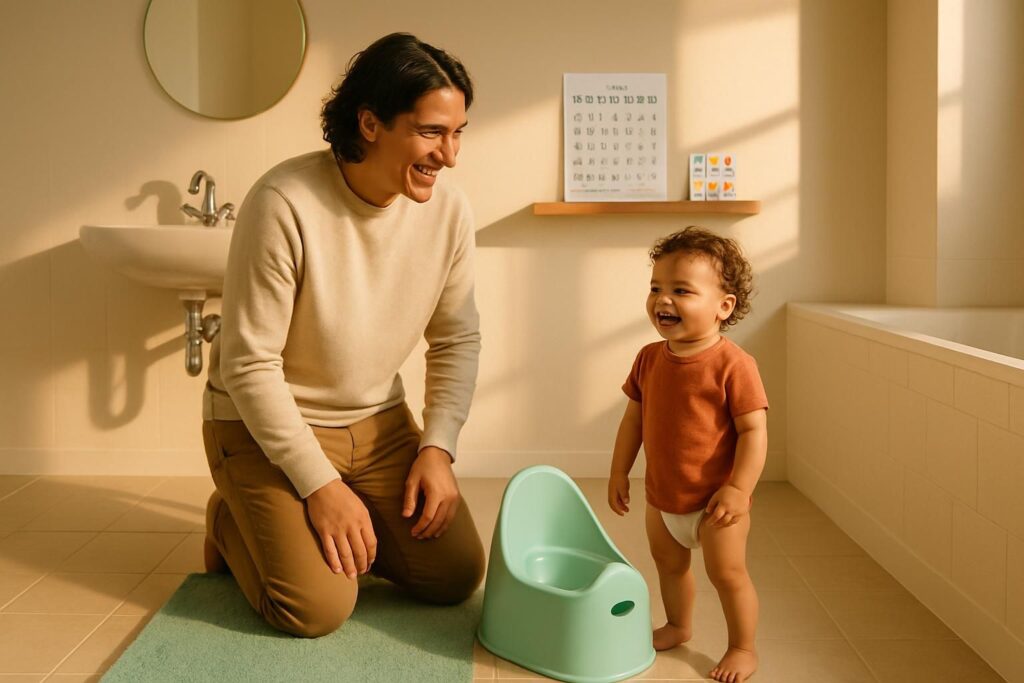
Most parents make at least three of these nine potty training mistakes without realizing it. Here is what actually stalls a toddler, and what to do instead.
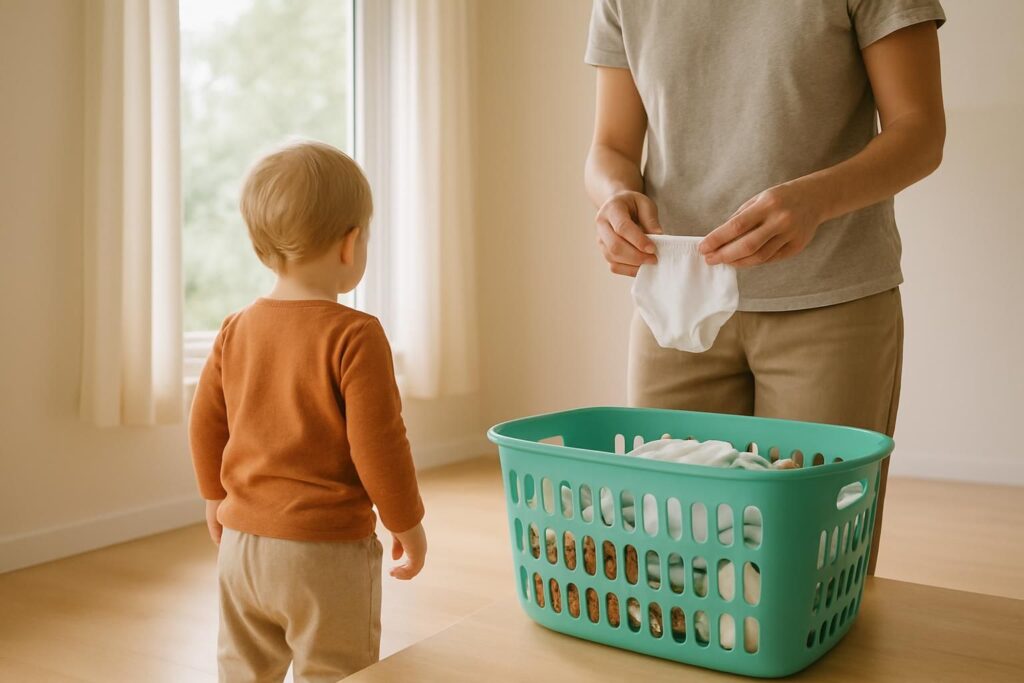
A potty training chart only works if it records what your child actually does, not what you want them to do on a schedule. Here’s what to track, why, and how it fits the bigger picture.
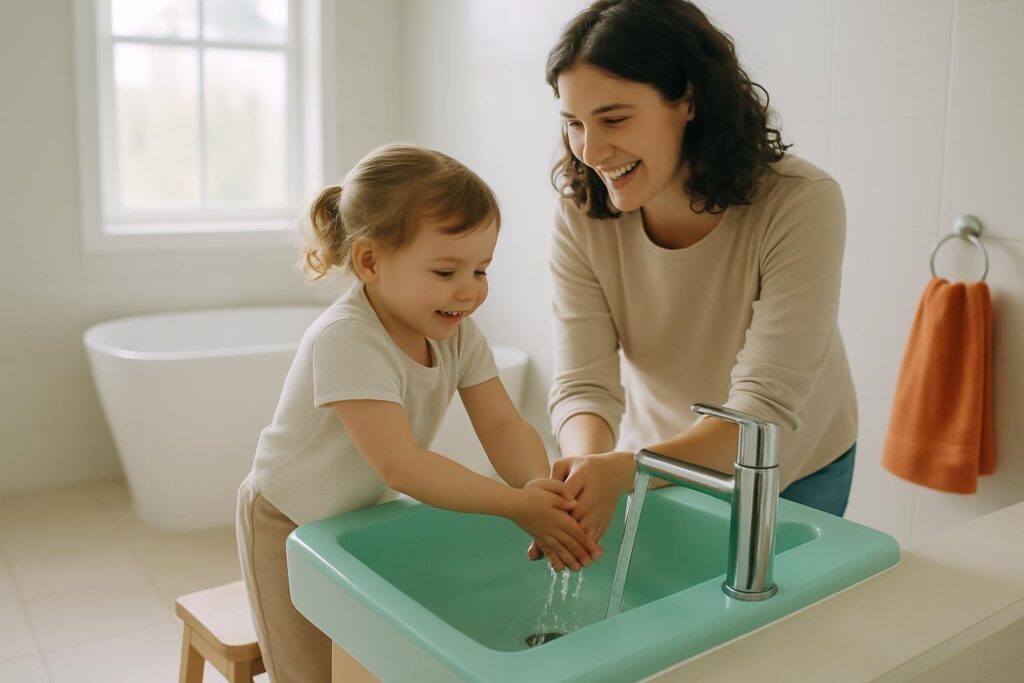
The plan for potty training is the same for girls and boys. Here’s what actually differs in practice, from wiping to sitting versus standing, and what the research really says about who trains faster.
You can hire a potty training consultant or coach, and daycare can help too, but neither replaces the part that has to happen at home. Here is what paid help really looks like, and where a structured program fits in between.
Potty trained does not mean zero accidents or a child who never needs a reminder. Here is what the milestone actually looks like, broken into four parts you can check for yourself.

Child-led potty training does not mean waiting around for your toddler to announce they are ready. Here is what the method actually asks of a parent, day by day.

Some signs mean your toddler just needs more time. Others belong with a doctor. Here’s how to tell the difference before you start, or before you quit.
Oh Crap! Potty Training, 3 Day Potty Training, Potty Training in 3 Days, and the original Azrin and Foxx method, compared plainly, plus what a structured program adds that a book cannot.

Plain cotton underwear, not padded training pants, is what actually teaches a toddler to feel wet and hold on. Here is what to buy, how many pairs you need, and when to make the switch.

Same birthday, different bladders. Here is how to decide whether to potty train your twins together or one at a time, and how to handle it either way.
This site sells the online course. In the UK we also ship the Potty Training Box itself, with everything for the method in one box.
Go to our UK shop