
Yes, you can pay someone: potty training consultants and coaches offer phone, video, or in-home sessions with a plan and check-ins. But the honest limit is that you still have to be there when your child goes, so paid help works best as support and a plan, not a replacement for the first few days at home.
A potty training consultant typically starts with an intake call about your child, your routine, and what you have already tried. From there you get a plan, often written out day by day, and a window of messaging or calls during the week you actually start. Some will come to your home for a day. What nobody sells, because nobody can, is a version where someone else is physically present every time your toddler needs to go. That part stays with you.
What does a potty training consultant actually do for you?
What you are paying for is mostly two things: a plan built around your specific child, and a person to answer you the moment something goes wrong on day two. That combination is the whole product. The consultant is not in your bathroom.
Formats vary. Some consultants sell a single video call plus a written plan. Others offer a few days of text or voice check-ins during the training window itself, which is the part parents say they value most, since it is also the part that is hardest to get from a book or a download. A smaller number will do an in-home day, mostly in larger cities.
This genuinely suits a parent who has already tried once, stalled, and does not know why. It also suits more complex situations: a child with a medical history around constipation, a child who is non-verbal, or a family juggling two caregivers who need to be on the same page. If that sounds like your situation, potty training an autistic or non-verbal toddler covers how the timing and signals differ.
It does not suit a child who simply is not ready yet. No amount of coaching fixes timing. If your toddler is frightened of the potty, resists sitting down entirely, or shows none of the usual readiness signs, paying for a consultant now is paying to repeat the same stall with a bigger invoice.
Does daycare or preschool potty train your child for you?
Daycare can reinforce what is happening at home, prompt your child at transition times, and handle an accident without making it a big deal, but it rarely starts the process from zero. The first three days matter most because that is when a child learns fastest, and that stretch is hard to hand to someone who sees your child for a few hours among a dozen other kids.
The useful partnership looks like this: you do the learning at home, then ask daycare to keep it going rather than start it. Specific things worth asking a provider: can they put your child in cotton underwear during the day instead of a diaper or pull-up, how do they handle an accident in the moment, and what words do they use when they prompt your child.
The most common mismatch is a child in underwear at home and a diaper at daycare, or the reverse. Children read that difference fast, and it slows everything down because the signal they are learning to send stops meaning the same thing in both places.
Is your child actually ready, or are you paying to start too early?
Readiness signs include staying dry for a couple of hours at a stretch, showing interest in the bathroom or in wearing underwear, telling you after an accident has happened, and being able to follow a simple two-step instruction. The American Academy of Pediatrics notes that bladder and bowel control typically develop between 18 and 24 months, and that toilet training in the United States most often begins somewhere between age 2 and 3.
A child who is frightened of the potty or the toilet is not showing you stubbornness, they are showing you it is too soon. The fix is building familiarity first, not pushing through, and starting again once that fear has eased.
If you already tried once and it did not take, the sensible move is the same one the method itself recommends: stop, leave it a few weeks, and try again rather than grinding on through daily resistance.
A quick readiness check can save you the cost of a consultant call you did not need yet.
Consultant, daycare, or a structured program: which one fits your situation?
Most parents are really choosing between three things, not two: one-on-one human coaching, daycare support, and a structured day-by-day program they follow themselves. Each gets you something different.
| Option | What you get | Who it suits best |
|---|---|---|
| One-on-one consultant | A plan built for your child, live calls or messages during the week | Complex situations, a prior stalled attempt, parents who want accountability |
| Daycare support | Consistent reinforcement during the day, matched routine | Families already training at home who want daycare to keep pace |
| Structured day-by-day program | A written plan for each day plus tools to track progress | Parents who want a clear plan without hiring a person |
The Potty Training Box Method is the structured option this site teaches: a seven-day, reward-based plan that starts with three days at home, moves the child from potty to toilet, and works toward the child signaling the need themselves rather than being put on a schedule. You can read the full day-by-day plan for the first week before deciding whether to follow it alone or add paid help on top.
For parents who want the plan plus something closer to a coach on call, The 7-Day Potty Training Video Course is the middle path. It delivers the same seven-day method as roughly forty short videos of about three minutes each, grouped by day, with a digital AI coach that answers questions at any hour. Sticker cards, a tracking schedule, and certificates are included as printables you print at home as part of the course.
What one-on-one support gets you that a program does not (and the other way round)
A human consultant can watch your specific child, notice something a video never will, and adjust on the spot. That is real, and it is the thing you are paying for. A program cannot do that.
What a program gets you instead is availability. It is there at 2am when your toddler has had a third accident and you are out of ideas, and you can replay the same three-minute video as many times as you need. An AI coach sits between the two: it answers instantly and never sleeps, but it is not a person watching your child, so it will not catch something a human eye would.
A program also keeps paying off later. The same plan and tools work for a younger sibling in a year or two, where a one-off consultant session does not carry forward the same way.
Know where to stop spending and call a doctor instead. Constipation, a child who withholds stool, signs of a urinary tract infection, or bedwetting that continues well past age 6 are medical questions, not coaching questions, and belong with a pediatrician. The NIDDK has useful background on bladder control problems and bedwetting in children if you want to understand what is ordinary and what is not before that call.
The part nobody can do for you: letting your child take the lead
Every paid option above still rests on the same idea: the goal is your child telling you they need to go, not an adult running a timer. That is the whole point of training in the first place, and it is why why timed sits slow things down is worth reading before you pay anyone to put your child on a schedule.
Instead of offering the potty every thirty minutes, you ask your child directly: will you tell me when you need to go? The only moments that stay fixed, during training and after, are before and after sleep and right before you leave the house. Everything else waits for your child’s own signal.
A tracking schedule is how you learn that timing rather than guess at it. It records when your child actually goes, not when you decided they should, and over a few days a pattern shows up that no consultant call can give you faster. When you fill one in, have your child drink a full cup in one go rather than sipping over an hour, so you can actually see how long it takes afterward and how much came out, instead of a pattern that is blurred by sips spread across the day.
What to do in the week before you spend anything
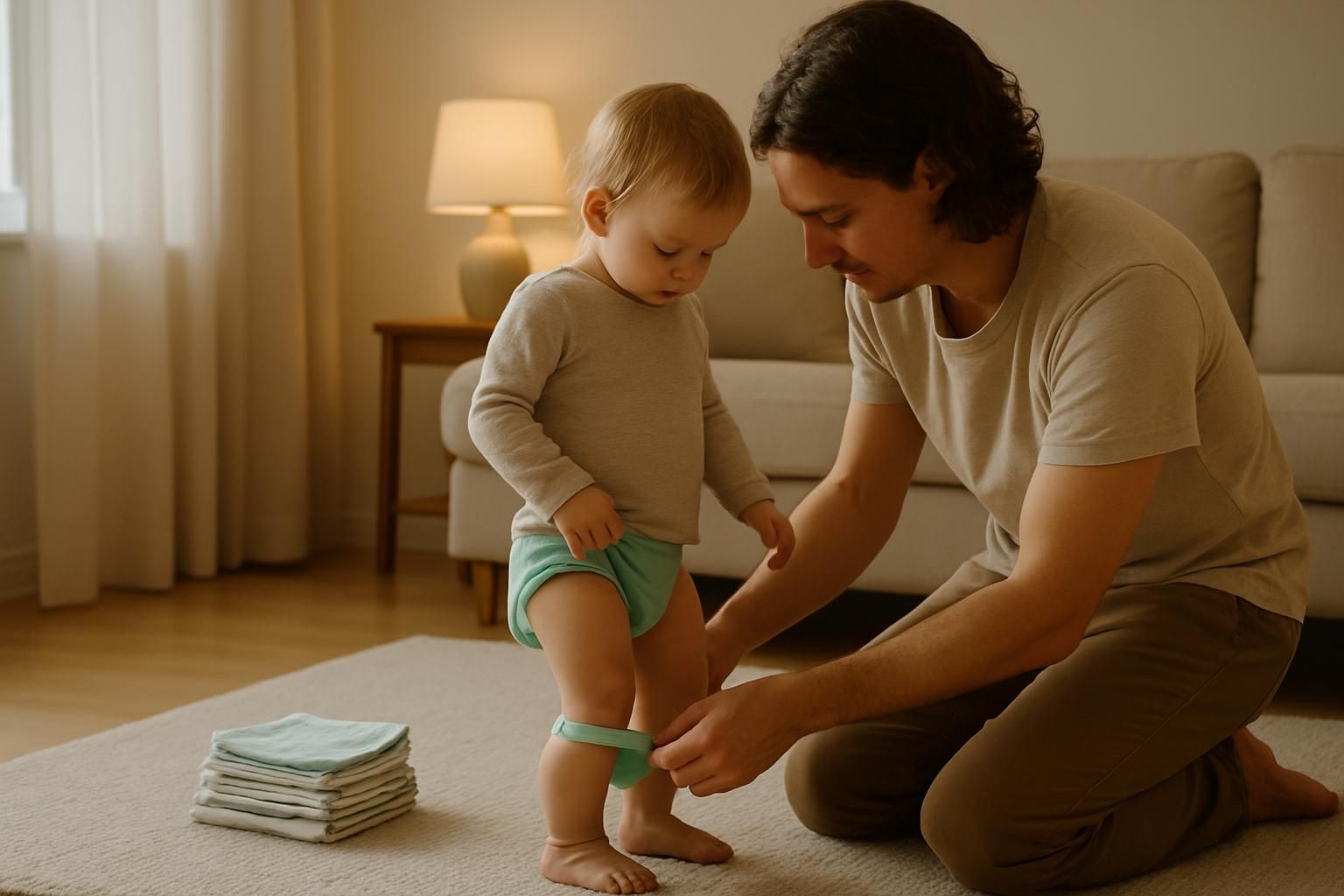
Have ready in general terms: something for your child to sit on, a toilet seat reducer if you are heading straight for the big toilet, a step stool, at least 15 pairs of cotton underwear, something to protect the mattress and sofa, a few small rewards, and pull-ups for sleeping. Cotton underwear rather than training pants matters here, because your child can actually feel when it is wet, which is part of what teaches them to notice in the first place.
If you are shopping for any of this, what you actually need to get started breaks the list down further. As an Amazon Associate we earn from qualifying purchases, and some links in this article, like the Dreambaby Step Stool, are affiliate links: if you buy through them we earn a small commission at no extra cost to you, and it does not affect what we recommend.
Clear three days at home before you start anything, paid help included. That is the stretch where the learning actually happens, and it is hard to compress.
Watch this together once things are underway, if you hit a rough patch:
Keep expectations honest. Most children are dry in the daytime in about a week, some manage it in three days, and others take two or three weeks. Nighttime dryness is separate and comes later. Many parents and consultants report day 4 or 5 as the hardest stretch, because that is when resistance tends to show up, often simply from being asked “will you tell me when you need to go” too many times in a row. The fix is asking less often, not more, and why day 4 is usually the hardest walks through what that looks like day to day.
Frequently asked questions
Can I hire someone to potty train my son?
You can hire a potty training consultant or coach who offers phone, video, or in-home support, but you still have to be present when your child goes. What you are buying is a plan and someone to check in with during the week, not a replacement for your own involvement.
How much does a potty training consultant cost?
Cost varies widely depending on the provider, whether sessions are phone, video, or in-home, and how many check-in days are included. There is no standard fee, so it is worth asking exactly what is included, such as how many days of messaging or calls, before comparing providers.
Will daycare potty train my child if I ask them to?
Daycare can reinforce and keep a routine going once training has started, but the first few days of learning happen best at home. Ask your provider to use cotton underwear during the day rather than a diaper, since mixing the two can confuse your child about what is expected.
Is it normal for a 3 year old not to be potty trained yet?
Yes. The American Academy of Pediatrics notes toilet training in the United States typically begins somewhere between age 2 and 3, and most children are trained by age 4, so a 3 year old still in diapers is well within the ordinary range.
What is the fastest way to potty train a toddler?
Most children get there fastest with a short, focused plan: a few days at home to learn, reward-based encouragement, and letting the child signal their own need rather than being put on the potty by the clock. Most children are dry in the daytime in about a week using this approach, though some take two or three weeks.
Is a potty training program as good as one on one coaching?
A program gives you a clear day-by-day plan and is available any time, including at 2am during a rough night, while a human consultant can watch your specific child live and adjust in the moment. Many parents use a structured program first and add paid one-on-one help only if progress genuinely stalls.
Ready for the next step?
The 7-Day Potty Training Video Course walks you through this program in forty short videos, grouped per day, with a digital AI coach you can ask a question at eleven at night on day four. The full handbook comes with it as a PDF to read and print. Nothing is shipped, so you can start today.
Sources
- American Academy of Pediatrics, HealthyChildren.org (Bladder and bowel control typically develop between 18 and 24 months, and toilet traini…)
- National Institute of Diabetes and Digestive and Kidney Diseases (NIH) (Background on bladder control problems and bedwetting in children.)
This article was written with AI assistance and checked by Dustin van de Sande.